How NYU Empowers Online Learning With Video
Video sits at the heart of modern online education, yet a recorded lecture asks very little of the people watching it. Students press play, drift, and move on with no record of whether the material actually landed. New York University set out to close that gap, and Annoto became the layer that let them do it inside the tools faculty and students already know.
The Situation
NYU teaches across a wide mix of formats, from fully online programs to hybrid and flipped classrooms, and video is a constant thread through nearly all of them. The challenge was not producing content; it was engagement. Instructors could see that a video had been assigned, but not whether it had been watched, understood, or questioned. Passive viewing gave them little to act on and gave students no reason to lean in. NYU wanted to make video a place where learning happens, not just where content is delivered.
What They Did With Annoto
Rather than replacing the video platforms and LMS environments already in use, NYU added Annoto on top of them. With one-click LTI 1.3, the in-video engagement layer connected directly to the courses faculty were already running, so there was no separate destination for students to visit and no new workflow to learn.
Instructors began building interaction into the timeline of each video, including:
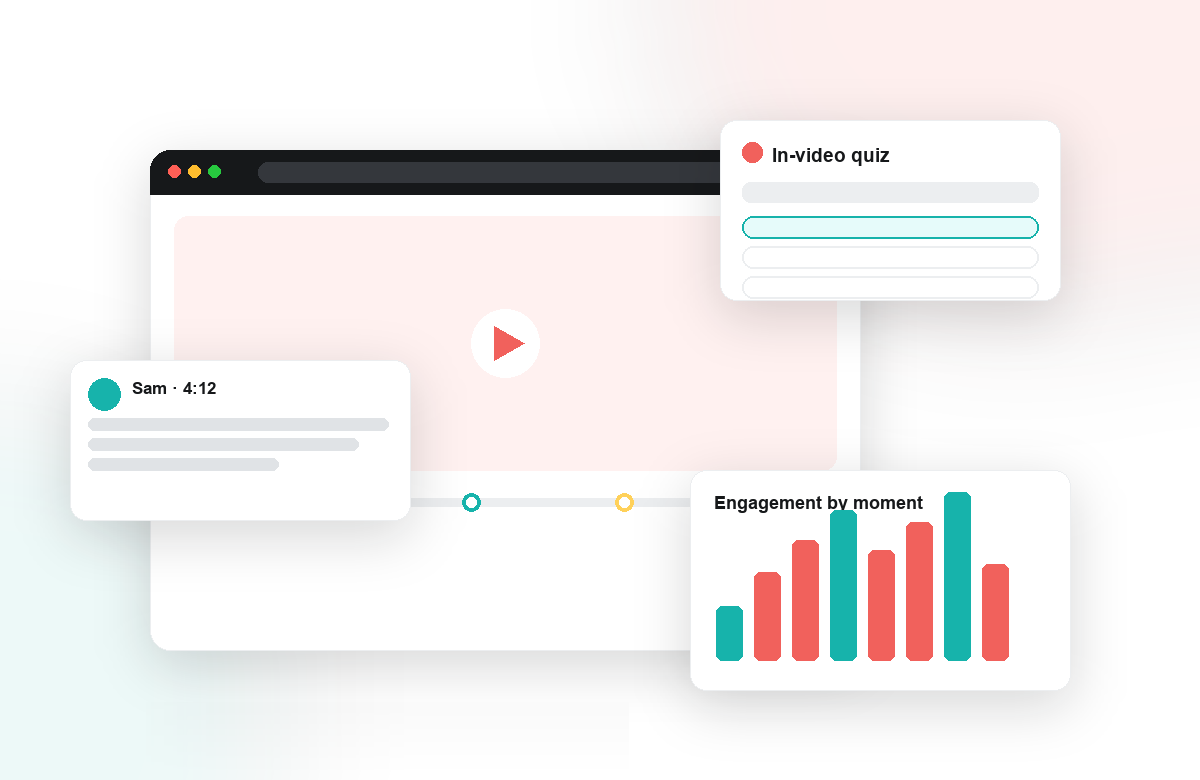
- In-video quizzes and reflection points that check comprehension at the exact moment a concept is introduced, with results syncing back to the LMS gradebook.
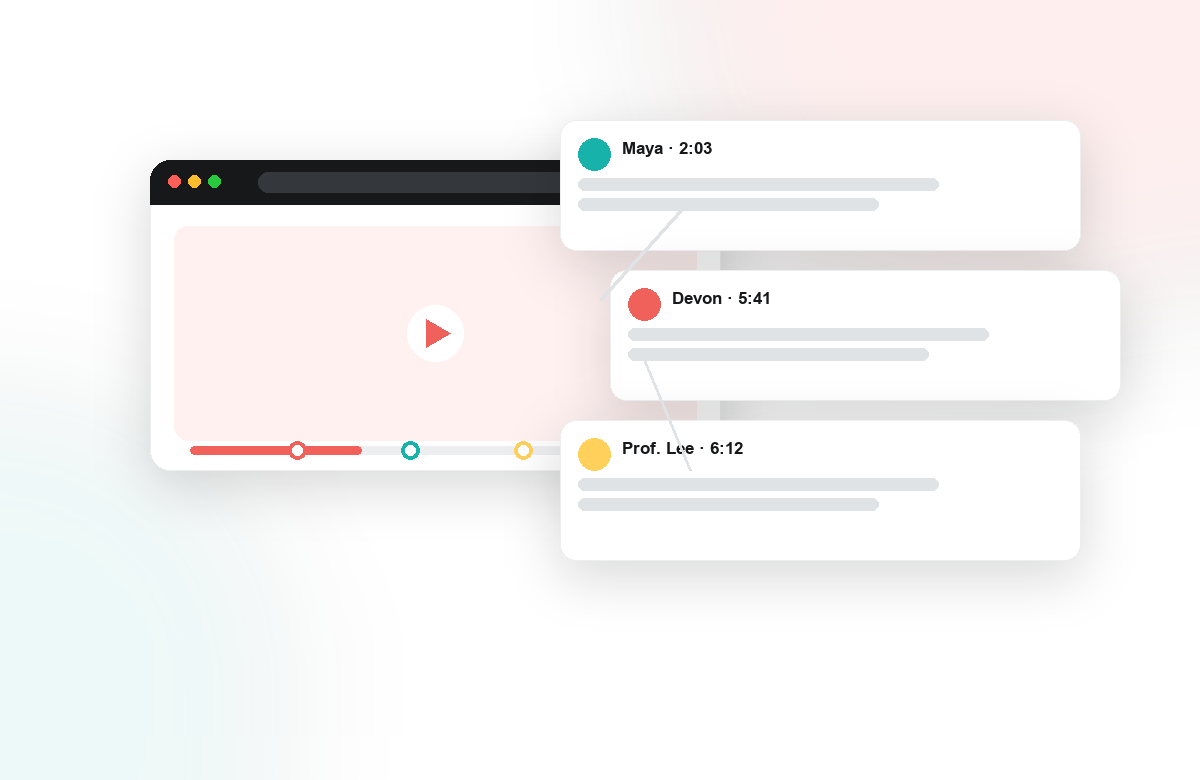
- In-context discussion anchored to specific moments, so questions and peer responses live right where the confusion or insight occurs.
- Engagement analytics that show attention, comprehension, and completion, giving faculty a clear read on where students slow down or drop off.
Because every comment, answer, and view is captured in context, the same activity also documents Regular and Substantive Interaction, an increasingly important requirement for online programs.
The Outcome
The shift is qualitative but meaningful: video changes from something students watch alone to something they work through together. Faculty gain visibility they never had from a plain video player, and they can adjust teaching based on what the analytics reveal rather than waiting for an exam to surface a gap.
When engagement lives inside the video itself, watching becomes participating, and instructors finally see what their students understand while there is still time to help.
For an institution the size of NYU, the value compounds across programs and departments. We see the same pattern again and again: when video becomes interactive, accountable, and connected to the gradebook, online learning stops feeling like a compromise and starts feeling like a genuinely active classroom. If your programs lean on video, this is the layer that makes it earn its place.
