








Real instructors at institutions worldwide worldwide — from research universities to global enterprises, here’s what happens when learners do more than watch.
From research universities to global enterprises, here's what happens when learners do more than watch.
Institutions worldwide run Annoto as the collaboration layer on top of their course video. They range from large research universities to arts academies and national online-learning initiatives, and most arrived with the same problem: hours of well-produced video that students watched alone, passively, leaving no trace of whether anyone understood it. The stories collected on this page describe what happened when those institutions made video a shared, measurable part of the course.
Universities such as NYU, Georgia Tech, and Florida State use Annoto inside the LMS their faculty already teach in — Canvas, Moodle, Blackboard, Brightspace, or Open edX via LTI 1.3 — on top of video platforms like Kaltura and Panopto. Institutions including Weber State, Southern Utah University, and Nova Southeastern show the same pattern at a different scale: time-anchored discussions and in-video quizzes turning lecture capture into an active part of the course rather than an archive nobody revisits.
The University of Padova brings in-video collaboration to one of Europe's oldest universities. Amsterdam University of the Arts applies it to critique-driven creative education, where feedback pinned to the exact moment of a performance is the pedagogy. And Israel's CampusIL national learning platform, together with Talpiot College, uses Annoto to keep large open online courses social instead of solitary.
Each story follows the same arc: the teaching challenge, how instructors deployed features such as reflection points, polls and reactions, and peer review, and what the attention and comprehension analytics showed afterward. You will see how completion and gradebook sync made participation count toward the grade, and how instructors used the activity feed to spot confusion mid-course instead of discovering it at the final exam.
If your context resembles any of these — a campus standardizing on lecture capture, an online program fighting isolation, a studio school where critique is the curriculum — the details of how each team rolled out, trained faculty, and measured impact are here. And when you want to compare notes directly, we are glad to connect you with an institution like yours.
Very few of these institutions began with a campus-wide mandate. The more common opening move is a pilot: a handful of courses, often taught by faculty who already care about engagement, running Annoto for one semester inside the existing LMS. Because the tool arrives through LTI and sits on top of the video platform the campus already owns — Kaltura, Panopto, Wistia, YouTube, or Vimeo — the pilot needs no migration project and no new player. The center for teaching and learning typically reviews the semester's analytics, gathers instructor and student feedback, and takes the results to academic leadership. Expansion then follows the evidence, department by department.
Across very different institutions, a few habits show up in nearly every successful story. Instructors seed the first videos with two or three of their own questions so students never face an empty discussion. Participation carries some weight in the grade, which signals that watching actively is part of the work. Someone — a TA, a designer, or the instructor — checks the activity feed a couple of times a week and answers the questions that stall. And course teams revisit their videos between terms, using rewatch and drop-off data to decide what to re-record. None of this requires new staff; it requires deciding who does what before the semester starts.
Read these stories differently depending on your seat. Faculty should look at the course-level detail: which interaction types fit a seminar versus a large lecture, and how much moderation time instructors actually spent. Instructional designers will find the rollout mechanics — training formats, template questions, and the rubrics teams built for graded video participation. IT administrators should focus on the integration notes: how each campus connected its LMS through LTI 1.3, what the gradebook sync required, and how analytics exports fed institutional dashboards over CSV or API. Academic leaders, finally, should look at what changed between semesters — retention of the practice itself is the strongest signal a pilot delivers.
The most useful due diligence is rarely a demo; it is a conversation with a team that teaches the way you do. When institutions evaluate Annoto, we routinely arrange reference calls matched by context — an online graduate program speaks with an online graduate program, a media-heavy arts school with another critique-based faculty. Come to that call with your hardest question: how long faculty training took, what students pushed back on, which metric convinced the provost. The teams behind these stories answer candidly, because every one of them once sat on your side of the table.
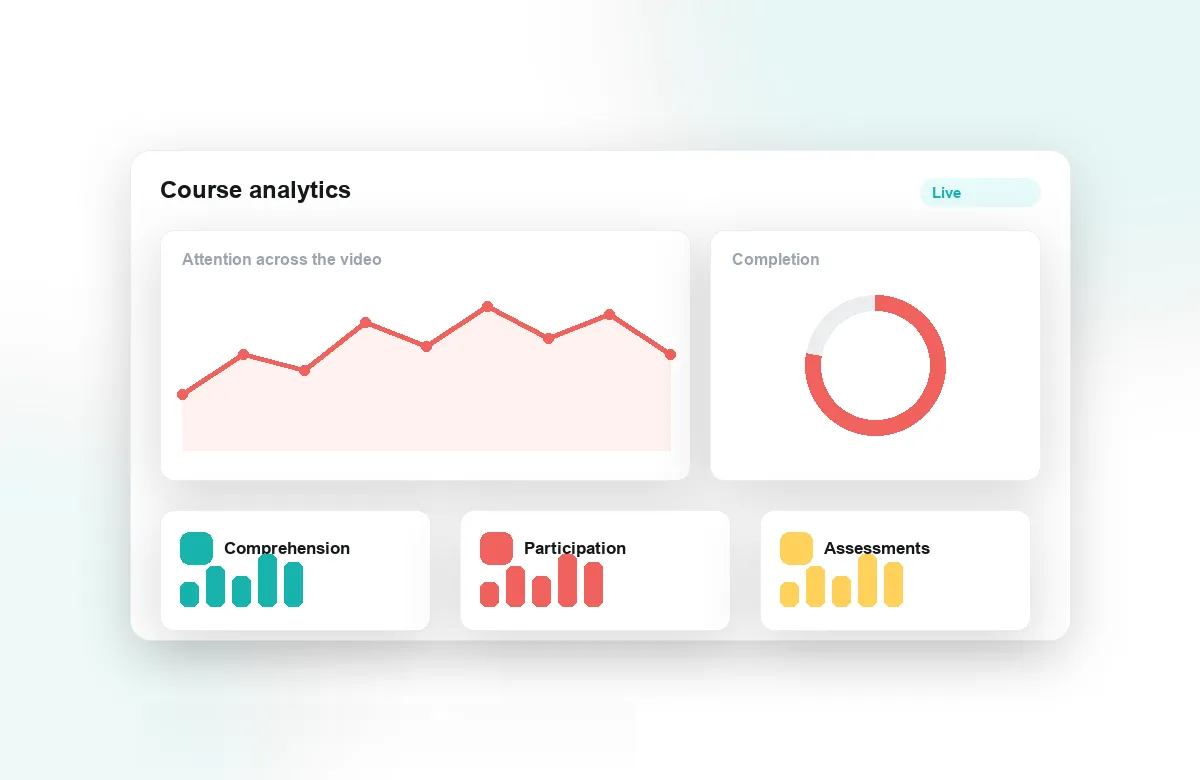
A large public university moved pre-class lectures into Annoto. Completion and in-class readiness followed.
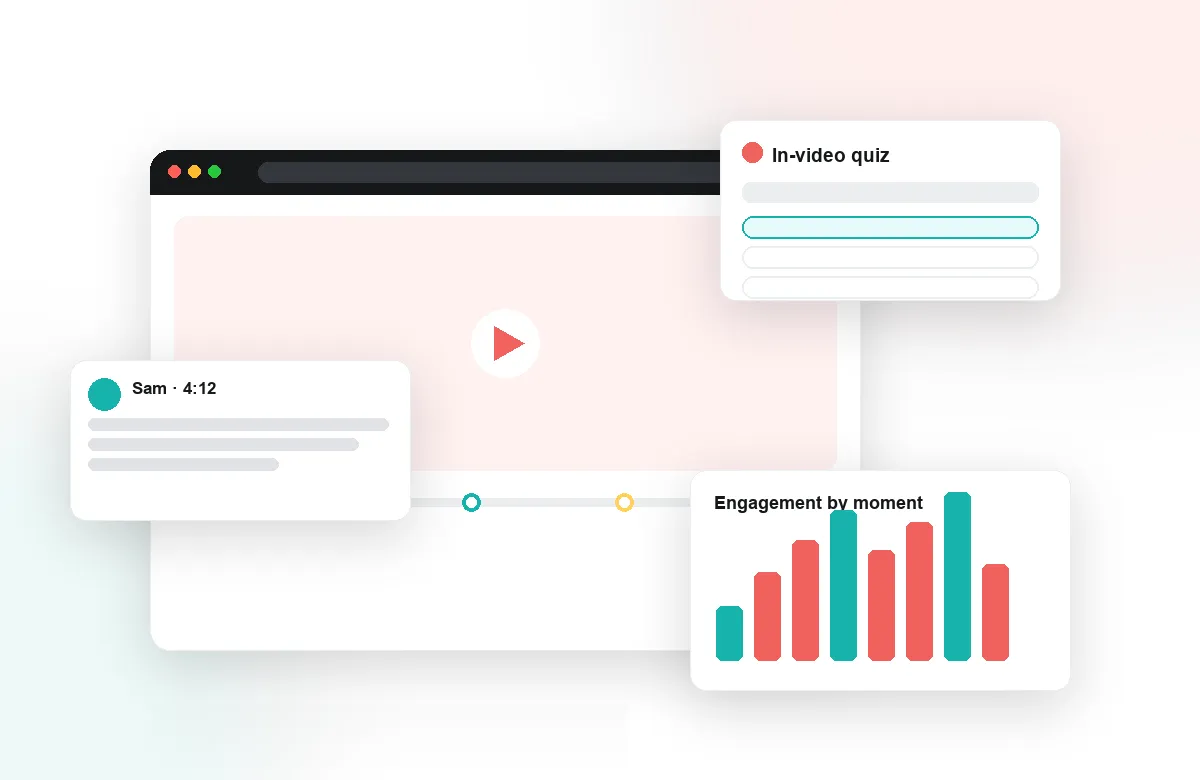
A global enterprise replaced passive compliance video with in-video checks and saw completions verified, not assumed.
An online program used Annoto's time-stamped interactions to evidence Regular & Substantive Interaction requirements.
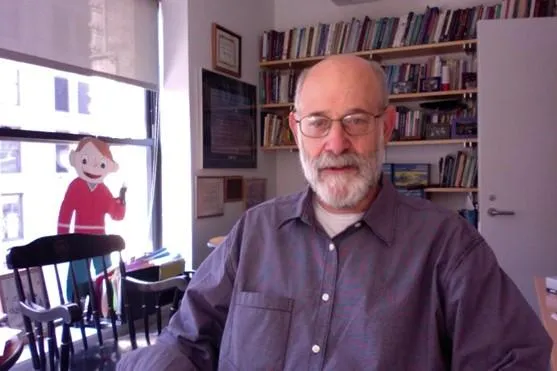
Watching videos can be a lonely experience. Using Annoto made the students become active and reflect on the material and ideas being presented.
Every voice below is a named educator using Annoto today — across self-learning, collaboration, assessment, skills, and analytics. Documented engagement runs 88–97%.
Book a demo and we'll walk through results from institutions like yours.
Book A Demo