Southern Utah University: Engagement, Quizzes & Collaboration In Languages & Philosophy
Language and philosophy classes live and die by conversation. Yet when instruction moves to video — recorded lectures, foreign-language clips, filmed dialogues — the conversation often stops the moment the play button starts. At Southern Utah University, the Department of Languages & Philosophy wanted the opposite: video that talks back. That is where we came in.
The Situation
Faculty across the department were already using video widely, from listening exercises in a target language to recorded philosophical lectures and seminars. But watching is passive by default. Students pressed play, drifted, and arrived at class without shared reference points. Instructors had little visibility into who watched, where attention dropped, or whether comprehension actually held. They needed a way to make video an active, assessed, social space — without leaving Canvas or asking students to learn yet another tool.
What They Did With Annoto
Using one-click LTI, faculty layered Annoto directly on top of their existing videos inside the LMS. No re-recording, no new platform. From there, the department put several capabilities to work:
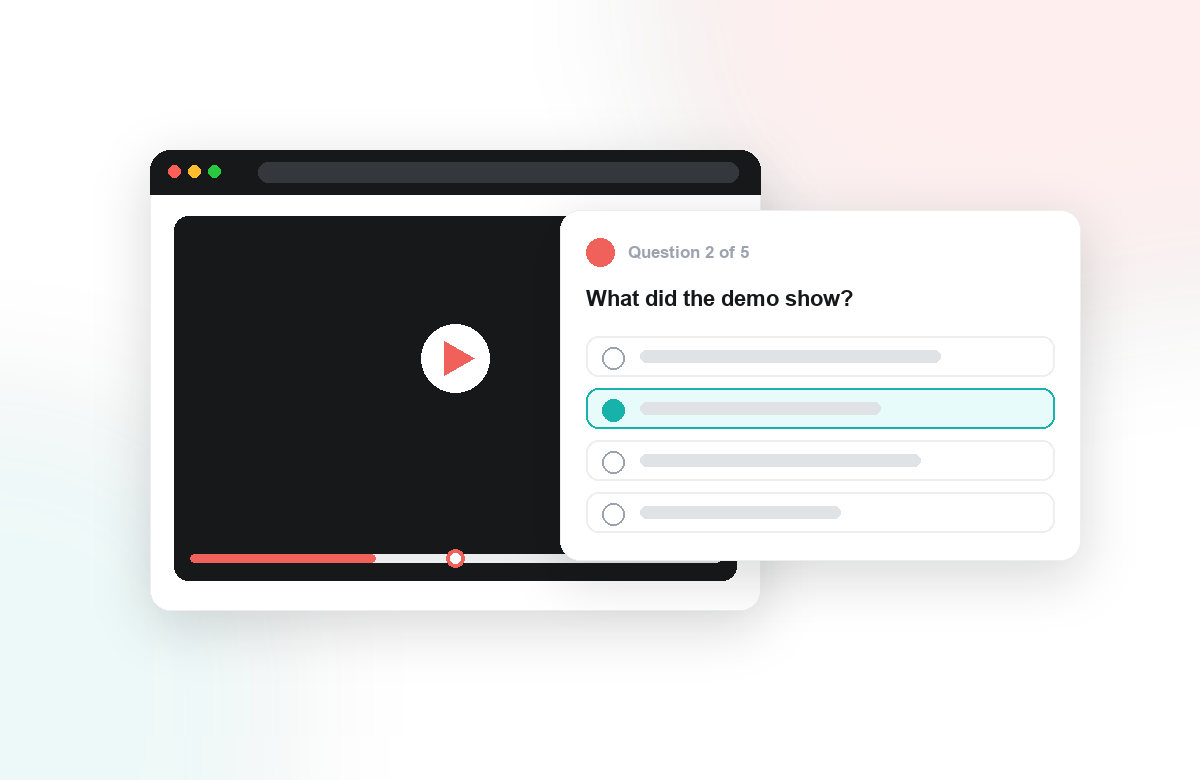
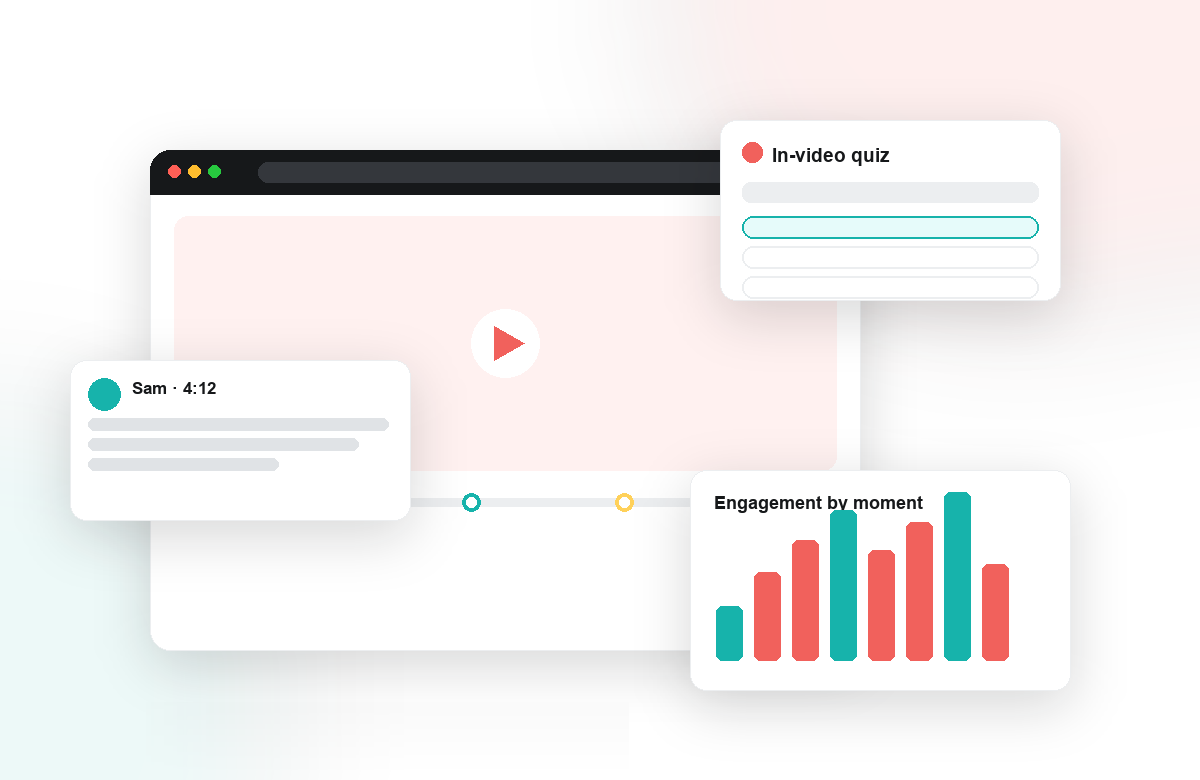
- In-video quizzes checked listening comprehension and argument analysis at the exact moment a concept appeared, with results syncing straight to the gradebook.
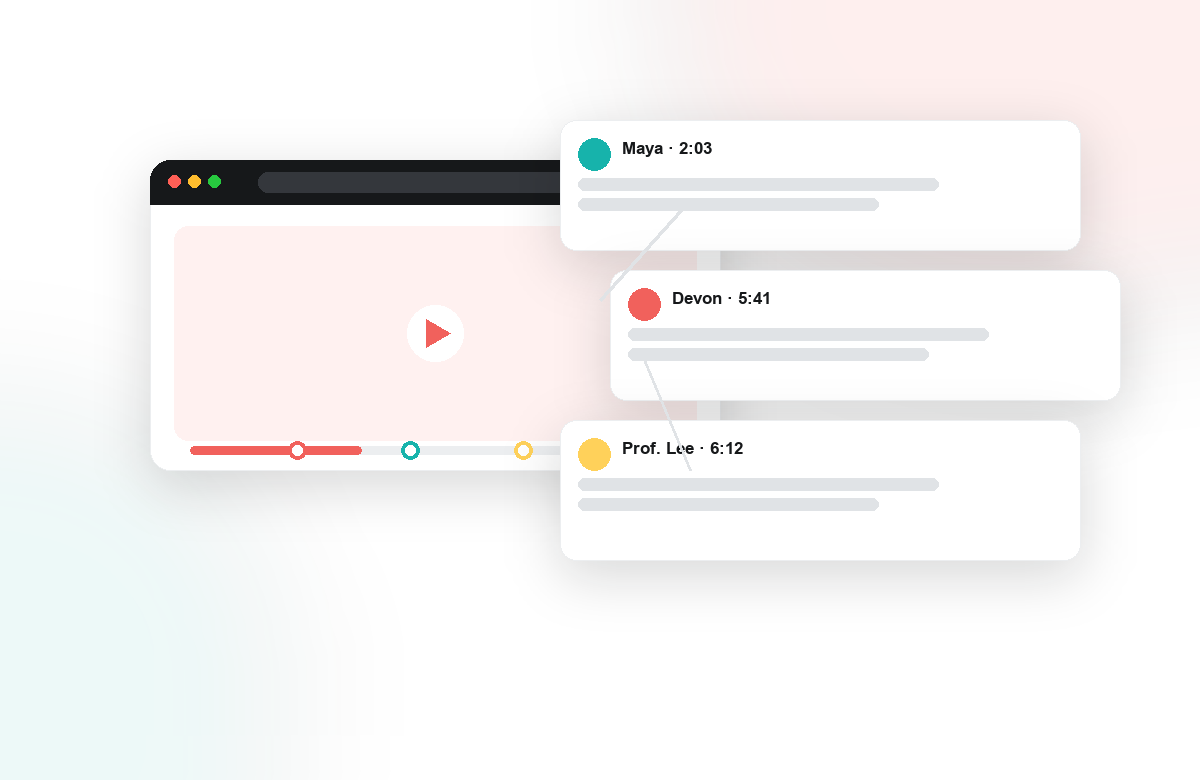
- In-context discussion let students comment on a specific line of a philosophical argument or a phrase in a target language, turning a solo watch into a threaded conversation.
- Reflection points prompted students to pause and articulate their thinking — central to both philosophical reasoning and language production.
- Peer review and collaboration gave students a structured way to respond to one another's interpretations and spoken practice.
- Engagement analytics surfaced attention, comprehension, and completion, so instructors could adjust before class rather than after the exam.
For faculty short on time, Lumo — our AI copilot — helped auto-generate in-video quizzes and scaffold questions across Bloom's taxonomy, moving students from recall toward analysis and evaluation.
The Outcome
The shift was qualitative but real. Video stopped being homework students half-watched and became a place where they practiced, argued, and reflected. Instructors gained richer pre-class discussion and clearer signals about where students struggled. Because every interaction is documented, the department also gained credible evidence of Regular & Substantive Interaction (RSI) across its online and hybrid sections.
When video becomes a two-way space, a recorded lecture starts doing the work of a seminar — students respond, question, and build on one another instead of watching in silence.
For a department built on dialogue, that is the point: technology that fades into the background so the conversation — in any language, on any question — can move to the front.
