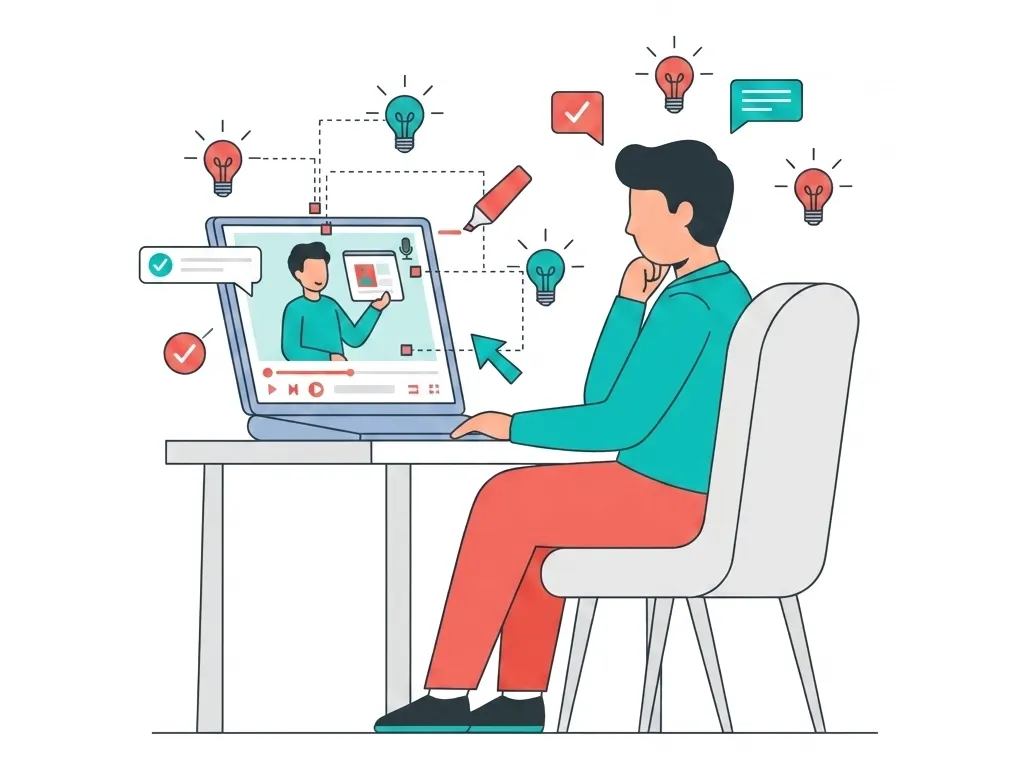
From Comments to Conversations: In-Context Video Discussion
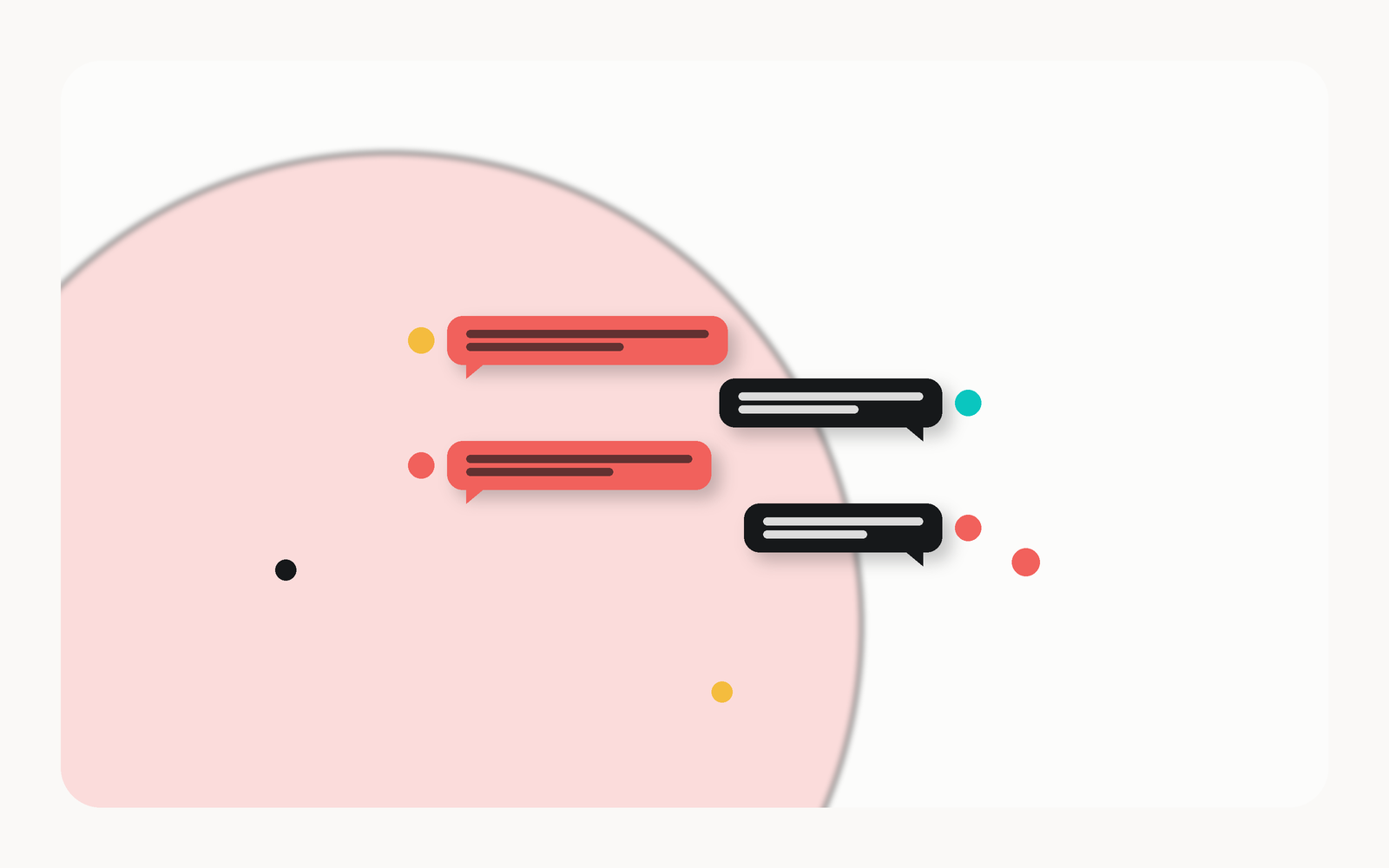
Most video discussion still happens somewhere else — a forum tab, a reply box under the player, a thread that opens hours after the lecture ends. By the time a student types their question, the moment that prompted it is gone. We built Annoto to close that gap by moving the conversation onto the timeline itself, where every comment stays anchored to the exact second that sparked it.
Discussion That Lives on the Timeline
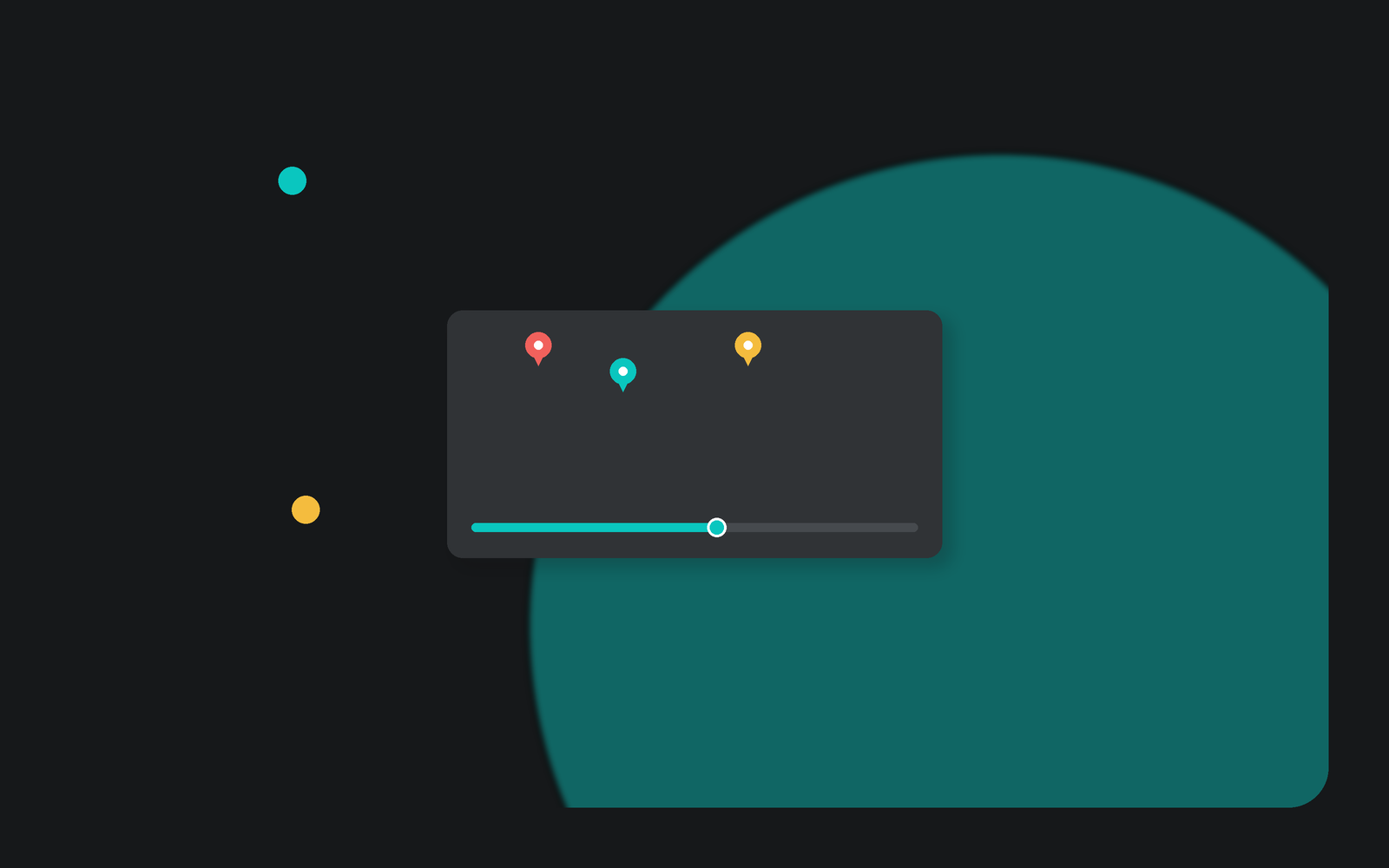
When a learner pauses at 4:12 to ask why a derivation skips a step, their question appears right there, pinned to that frame. The next student who reaches 4:12 sees it in context and often answers before the instructor has to. A comment stops being a detached note and becomes part of the video, so watching turns into a shared, responsive activity rather than a solitary one.
- Questions land where confusion actually happens, not at the bottom of a page.
- Replies thread beneath the moment, so a single frame can hold an entire exchange.
- Instructors can see which timestamps draw the most conversation — and which draw silence.
Social Learning, One Moment at a Time
Learning is social, and comprehension climbs when students articulate ideas to one another. Moment-level threads make that natural: a peer's clarification, a counter-example, or a "this finally clicked for me" reply becomes visible exactly where it helps most. Because the discussion is woven into the video, quieter students who would never post to a forum often join in — the ask is smaller, the context is obvious, and the moment invites a response.
A comment tied to a timestamp isn't feedback about the video. It's a conversation happening inside it.
What Moment-Level Threads Change
Anchored discussion changes more than the vibe of a course. Every reply, reaction, and thread is a record of Regular & Substantive Interaction, documented automatically for compliance. Participation becomes measurable rather than assumed, and the same threads that help students help each other also surface where attention drops and understanding wavers — insight we roll into completion, comprehension, and engagement analytics inside your LMS, whether that's Canvas, Moodle, Blackboard, or Brightspace.
The result is a lecture that talks back. Instead of assigning a video and hoping it lands, we give instructors a room where the class thinks out loud together, one moment at a time. See how in-context discussion works in a live course.
How instructors put this into practice
Moment-level discussion rewards a little deliberate setup. Before releasing a video, effective instructors leave three to five anchor comments of their own: a question at the point where cohorts historically stall, a pointer to a related reading where the lecture compresses a big idea, an invitation to disagree where the material is genuinely contested. These anchors signal that the timeline is a place to talk, and they give the first student who arrives something to respond to.
Norms matter as much as placement. Courses that thrive with anchored discussion usually adopt two: the instructor waits a beat before answering student questions, giving peers room to step in first, and reactions count as legitimate participation, since a well-placed emoji from a hesitant student is often the first step toward a written reply. Group chat and the activity feed keep the thread of the course visible between videos, so conversations do not die when the tab closes.
Silence is data too. A timestamp that draws no comments in a passage that should provoke questions may mean students are lost past the point of asking, and attention analytics will usually confirm where viewing drops off. That is a cue to split the video, add a quiz checkpoint, or address the segment live.
None of this requires new recording habits: the discussion layer rides on the players institutions already use, from Kaltura and Panopto to Wistia, YouTube, and Vimeo.
Keep reading
Related: What Is Annoto? The In-Video Engagement Layer, Explained, How Annoto Transformed Dr. Iliana Portaro's Spanish Courses at Souther, and University of Padova: Deepening Comprehension In Asynchronous Learning.
New to Annoto? Start with What is Annoto?, or see it inside your LMS: Canvas, Moodle, Blackboard, and Brightspace.