One Engagement Layer, Any LMS and Any Video Host
Walk through any institution's real learning stack and you will not find one clean system. You will find Canvas in one department and Moodle in another, video scattered across YouTube, Vimeo, Kaltura, Panopto, and Microsoft Stream, and a few programs still running whatever they standardized on a decade ago. This is not a failure of planning. It is the normal state of a large organization that grew, merged, and adopted tools at different times. The mistake is not the fragmentation itself. It is buying engagement and analytics tools that make the fragmentation permanent by locking your data to a single host.
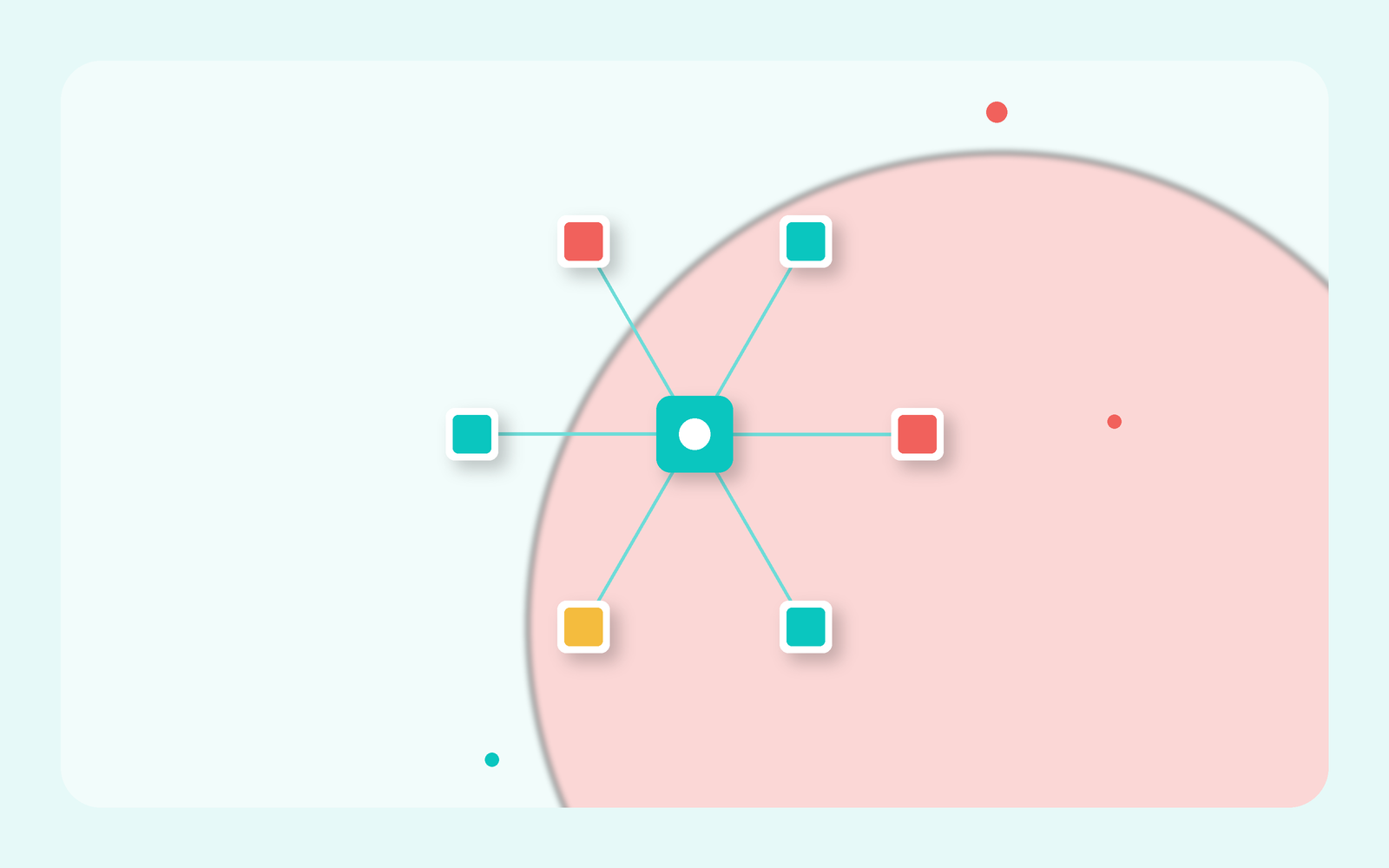
The modern learning stack is fragmented by design
Different courses have genuinely different needs. A media program lives in Kaltura for a reason. A lecture-capture workflow may run on Panopto. Marketing-facing content sits on YouTube because that is where the audience is. Meanwhile a university might run more than one LMS because faculties were never going to agree on a single one. The 1EdTech guidance on digital learning environment integration frames the modern environment as a set of interoperating components rather than a single monolith, which is a realistic description of how these stacks actually work.
So the question is not how to force everything onto one platform. That project never finishes. The question is how to get one consistent engagement experience and one analytics pipeline across a stack that is going to stay diverse.
What does host-locked engagement actually cost you?
When your discussion, notes, and analytics live inside one video platform's proprietary features, three problems follow, and they compound.
- Siloed data. Engagement in your Kaltura videos and engagement in your YouTube videos live in separate systems with separate definitions. You cannot answer a simple cross-course question like "which students are disengaging across the program" because the data never sits in one place.
- Inconsistent experience. Students learn one commenting interface here and a different one there. Every switch is friction, and friction suppresses exactly the participation you are trying to grow. Research on video learning in the LMS stresses that interactive elements and a consistent, integrated experience are what drive engagement, and a patchwork of host-specific tools undercuts both.
- Lock-in. The day you want to move off a video host, you discover your years of discussion and analytics are trapped in it. The switching cost is not just re-uploading video, it is losing the engagement history that made the video valuable.
The root cause in all three cases is the same: the engagement layer was coupled to the host. Decouple it, and the problems dissolve.
Host-agnostic by design
The alternative is an engagement layer that sits on top of the video rather than inside any one player. Discussions, notes, and quizzes are anchored to the video's timeline regardless of where the video is hosted. The same in-video conversation works whether the source is YouTube, Vimeo, Kaltura, Panopto, or MS Stream, because the layer does not depend on the host's own features.
Annoto is built this way. The engagement experience and the data model stay constant across hosts, so a discussion at 6:20 of a lecture behaves identically whether that lecture streams from one platform or another. Practically, that means a program can standardize how students interact with video without first standardizing where video lives. You can read how this spans sources on the integrations page.
LMS-agnostic by standard
Host independence solves half the problem. The other half is the LMS, and the answer there is a standard rather than a clever workaround. Learning Tools Interoperability, described by 1EdTech as a package of services to integrate "any tool with any LMS," is the mechanism. Through LTI, the same engagement layer launches securely inside Canvas, Moodle, Blackboard, D2L, or any other LTI-conformant LMS, with the same interface and the same permissions.
Because LTI Advantage carries roster and grade services, the integration is not just a link. The tool knows who the students and instructors are, and participation flows back to whichever gradebook the course uses. That is what makes "the same experience in every LMS" a real claim rather than a marketing one: it rides on a certified standard, not a per-LMS custom build. The details are on the any-LMS page.
Unifying analytics across the whole stack
Here is where decoupling pays off most. When the engagement layer is independent of both host and LMS, every interaction across every video and every course flows into one analytics pipeline with one set of definitions. An "engaged student" means the same thing in the Kaltura-based media course and the YouTube-based intro course, because the same layer measured both.
That unification is what makes program-level and institution-level questions answerable. You can compare engagement across courses that use entirely different video hosts, spot patterns that only appear at scale, and give advisors a single view instead of five partial ones. A stack that is fragmented at the infrastructure layer can still be unified at the analytics layer, and that is the combination most institutions actually want: freedom to choose tools underneath, coherence in the data on top.
Migration without losing your engagement data
Video hosts change. Contracts end, better options appear, and institutions consolidate. When your engagement data is coupled to the host, migration means starting over. When the engagement layer is host-agnostic, migration is just swapping the underlying video source while the discussions, notes, and analytics carry forward. The engagement history that took years to build is not hostage to a vendor you have outgrown. That alone reframes the buying decision: you are not betting on your current video host being your forever host, because the layer that holds the learning value is independent of it.
What to verify before you commit
The promise of "works with anything" is easy to say, so test it against specifics before you sign:
- Confirm the layer works with every video host you actually use, by name, not just the popular two.
- Confirm it integrates through LTI 1.3 / LTI Advantage so it works across every LMS you run, with roster and grade sync.
- Confirm analytics are unified across hosts and courses, with consistent definitions, not per-host reports you have to reconcile.
- Confirm you can change video hosts and keep your engagement history.
- Confirm the data handling and access model meet your security and privacy requirements across the whole stack.
The strategic point underneath the checklist is simple. Your infrastructure will keep changing, and it should be allowed to. The layer where student engagement and learning data live is the thing you want to keep constant. Choose a standards-based, host-agnostic engagement layer and you get exactly that: one consistent experience for students and one clean analytics pipeline for your team, across any LMS and any video host, this year and after the next platform decision. See how Annoto delivers that across higher education stacks and video assignments.
Keep reading
Related: LTI 1.3 Advantage: What to Demand From Every EdTech Tool, AI in Teaching: What Actually Helps in 2026 (and What's Just Hype), and Georgia Tech: Guiding Questions For A Meaningful Learning Experience.
New to Annoto? Start with What is Annoto?, or see it inside your LMS: Canvas, Moodle, Blackboard, and Brightspace.