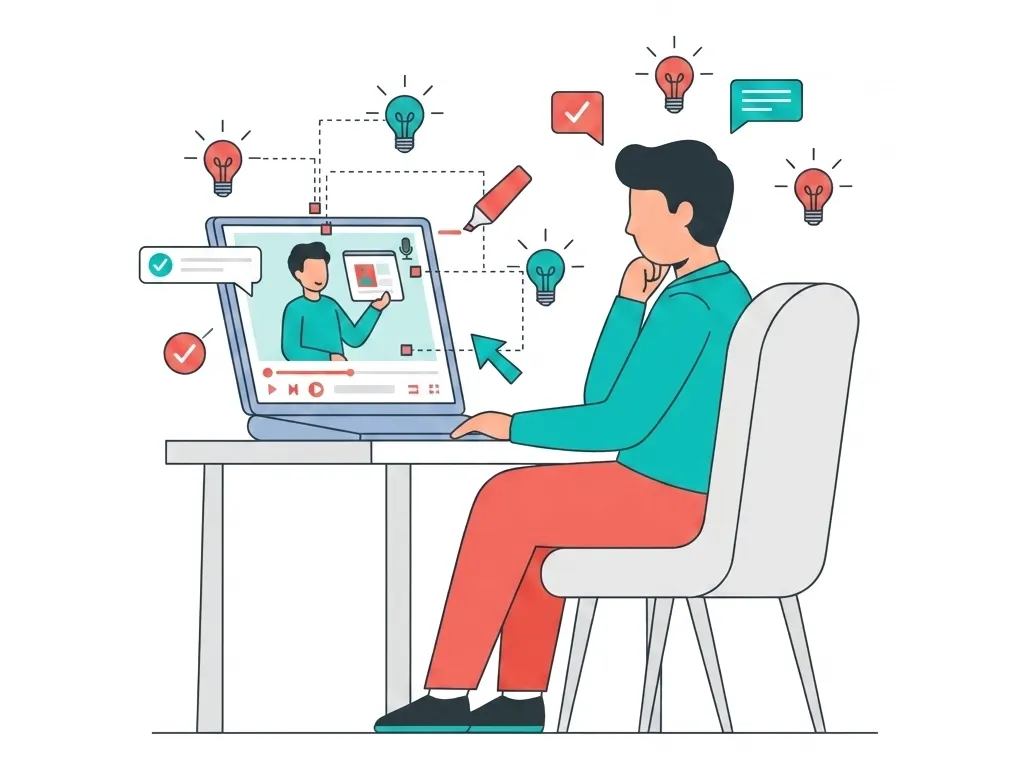
WashU: Time-Tagged Feedback On Student Sign-Language Videos
Sign language is a visual, embodied language. A handshape held a beat too long, a facial expression that doesn't quite match the sign, a movement that drifts off its intended path — these details carry meaning, and they unfold in seconds. For faculty teaching sign language at Washington University in St. Louis, giving students precise feedback on those fleeting moments was the heart of the work. When a learner records themselves signing, a general note like “watch your handshapes” rarely lands. What helps is pointing to the exact second something went right or wrong.
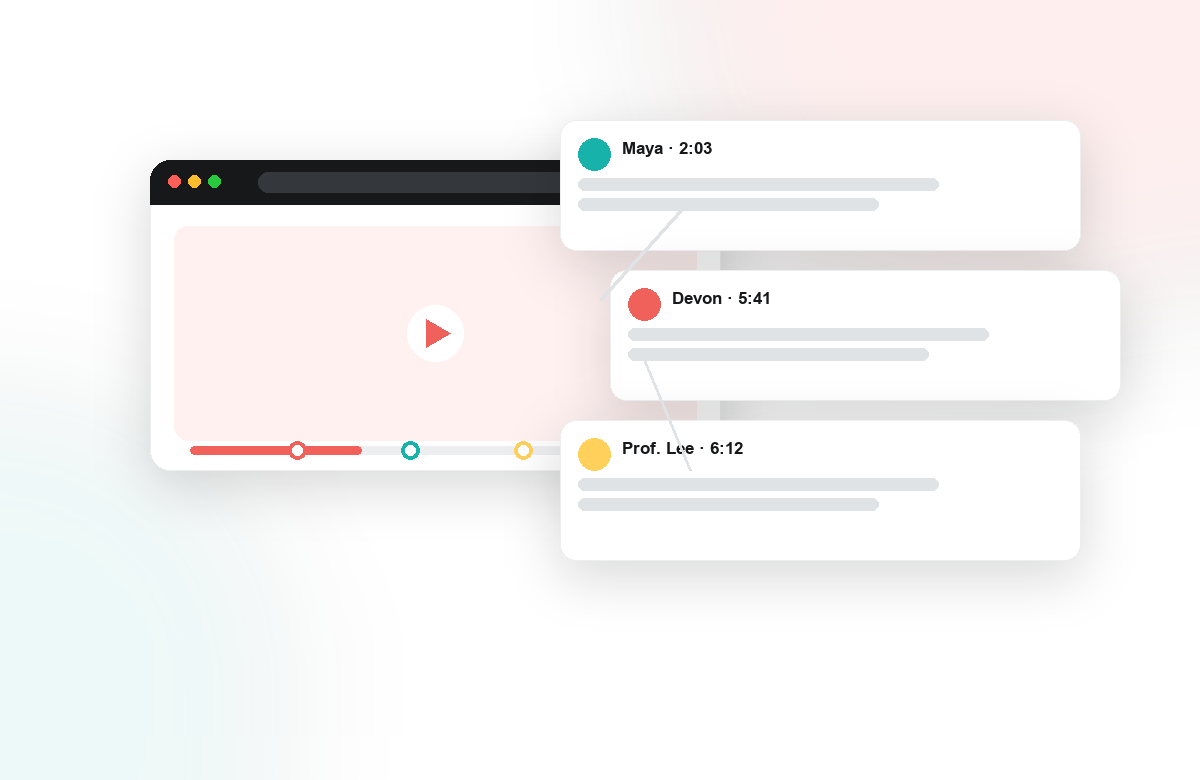
The Situation
Instructors asked students to record short clips of themselves signing, both as practice and as assessment. It's a powerful method — students see themselves the way a conversation partner would — but the feedback loop was clunky. Comments lived in a separate document or in the gradebook, disconnected from the footage, which forced students to guess which moment a note referred to. Writing timestamped feedback by hand across dozens of videos was slow, and organizing meaningful peer learning around the clips was harder still.
What They Did With Annoto
Because Annoto adds an engagement layer directly on top of video inside the LMS, faculty could turn each student-recorded clip into an interactive workspace — no new platform for students to learn, just the tools appearing right beside the video they already submitted. Instead of describing a moment, everyone could point to it.
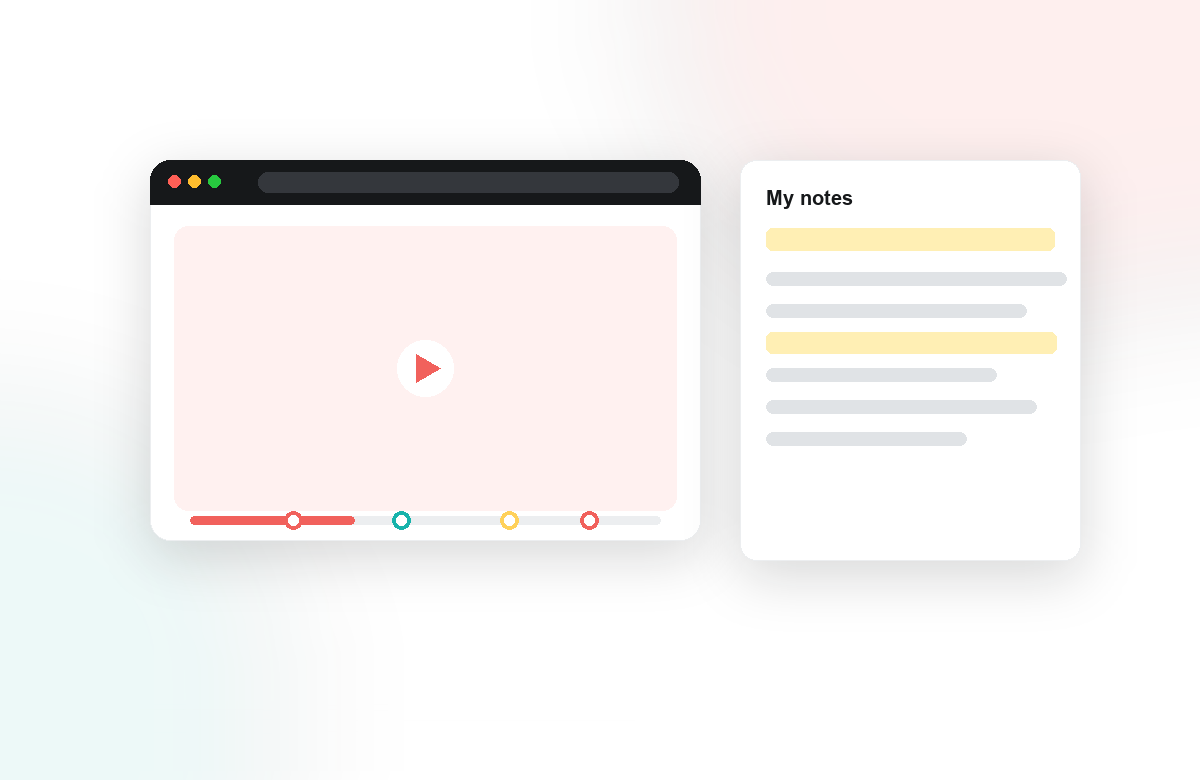
- Time-tagged feedback: instructors pinned comments to the precise frame — the sign, the movement, the expression — so students knew exactly what was being discussed.
- Reflection points: students annotated their own signing, naming what they were attempting and where they felt uncertain.
- Peer review: classmates left in-context comments on each other's clips, building a shared vocabulary for talking about form and clarity.
- Everything in the LMS: the work stayed inside the course, and grades flowed back to the gradebook without extra steps.
The Outcome
Feedback became specific and actionable. Rather than reading a paragraph and scrubbing through their video to find the relevant moment, students could click a note and land on the exact second it addressed. The conversation moved into the video itself, where the language lives.
When feedback is anchored to the moment it describes, students stop guessing and start practicing the right thing.
The approach also made peer discussion a natural part of the course instead of an afterthought, and it gave faculty a clear, documented record of Regular & Substantive Interaction with each learner. Engagement analytics surfaced which clips drew attention and where students lingered or hesitated — signals instructors could act on. For a discipline where meaning is carried in the smallest gestures, we're glad the feedback can finally be just as precise.
Takeaways for Other Skill-Based Courses
Nothing in this approach is specific to signing. Any course that assesses performance on camera — clinical skills, music, public speaking, language pronunciation, lab technique — faces the same mismatch between feedback written in a document and a skill that unfolds second by second. The pattern these instructors used transfers directly: have students record, ask them to annotate their own attempt first, then respond where they marked uncertainty.
The self-annotation step deserves emphasis. When a student names what they were attempting before the instructor weighs in, the eventual note arrives as an answer to a question they already asked, which is a very different experience from unsolicited correction. It also spares the instructor from guessing at intent before judging execution.
Start with a single assignment rather than a course-wide rollout. One recorded clip, one reflection pass, one round of anchored instructor comments — that is enough for both sides to feel the difference from document-based feedback. Add peer review in the second round, once students have seen what a useful anchored note looks like, and the critique vocabulary the class builds will carry into every later assignment.
Keep reading
Related: Amsterdam University of the Arts: Practicing Course Material Interacti, In-Video Quizzes: Turning Passive Watching Into Active Recall, and Meet Lumo: AI That Turns Video Into a Conversation.
New to Annoto? Start with What is Annoto?, or see it inside your LMS: Canvas, Moodle, Blackboard, and Brightspace.